
How to Apply Plaster and Ceramic on Raw Concrete? (The Importance of Primer Usage)
How to Apply Plaster and Ceramic on Raw Concrete? (The Importance of Primer Usage)
In construction projects and renovation works, smooth raw concrete surfaces or old tile-like applications are among the most challenging areas. Since the absorption of smooth surfaces is very low, cement-based plaster or ceramic adhesives applied on them cannot adhere over time and will peel off.
The key to solving this problem and ensuring strong adhesion between materials is proper surface preparation and primer application.
Common Issues Encountered on Raw Concrete Surfaces
-
Low Adhesion (Bond Strength): The concrete surface is very smooth, so the adhesive mortar cannot find pores to bond to.
-
Rapid Water Absorption or Non-Absorption: Uneven absorption of the surface causes the mortar to lose water quickly and crack.
Step-by-Step Correct Application Guide
-
Surface Cleaning: The concrete surface to be applied must be completely free of dust, oil, dirt, and formwork oils that prevent adhesion.
-
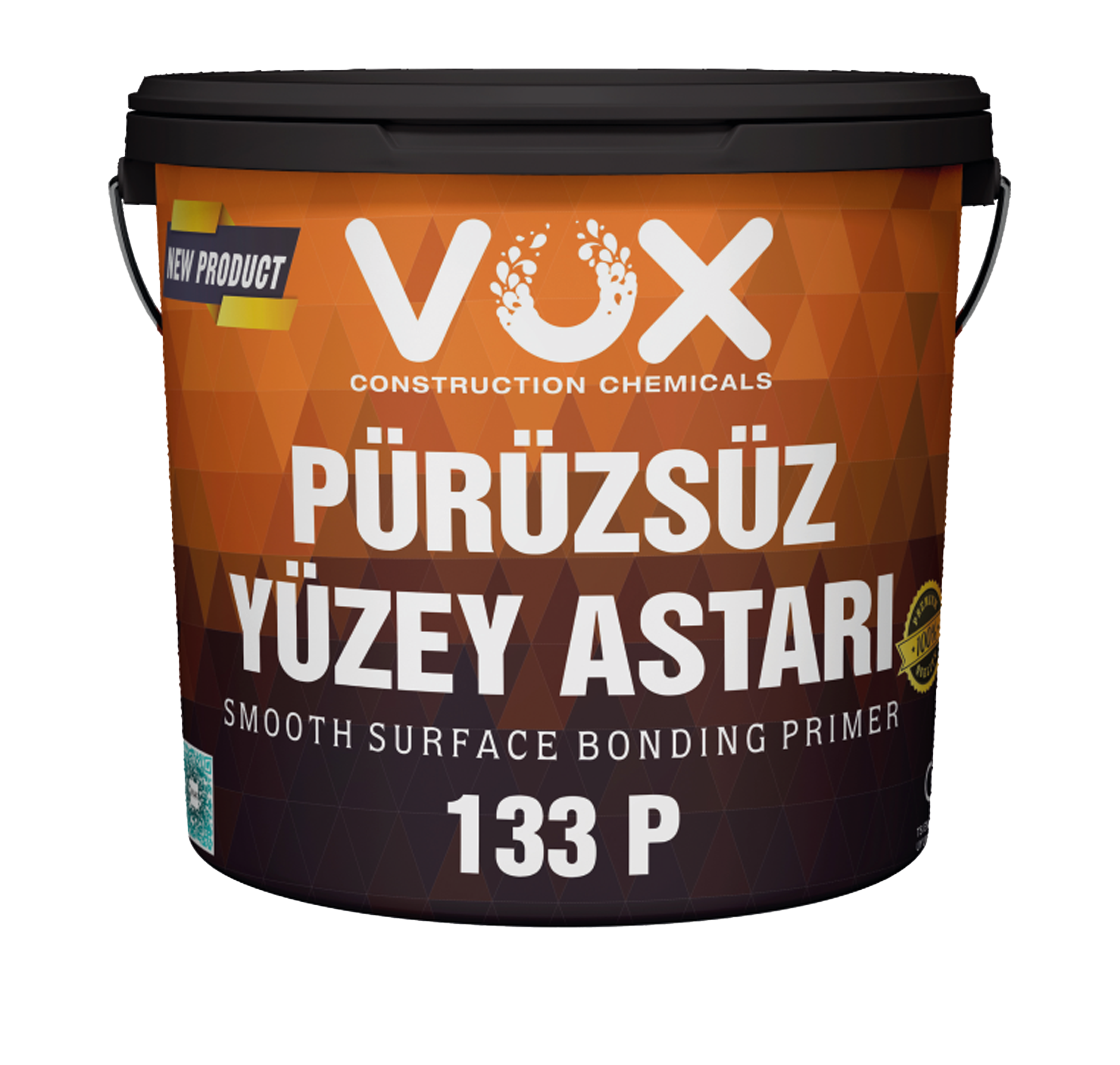
Smooth Surface Primer (Raw Concrete Primer) Application: Special smooth surface primers containing fillers and quartz sand are applied to the surface with a roller in a single coat. This primer creates a rough texture on the smooth concrete, forming a mechanical adhesion bridge.
-
Drying Time: Sufficient time must be allowed for the primer to fully dry and cure on the surface, depending on ambient temperature.
-
Plaster or Ceramic Adhesion: After the primer layer has dried, plaster, ceiling skim coat, or ceramic adhesive application can proceed directly.
Can New Tiles Be Applied Over Old Tiles?
Yes, new tiles can be laid over old tiles without demolition costs. However, a smooth surface primer (Grip/Primer group) must be applied beforehand, followed by a flexible (C2TE S1/S2 class) adhesive.
For long-lasting and reliable solutions in your projects, do not forget to use the correct primer and adhesive combination!