
Water Leakage from Bathroom to Lower Floor! How to Prevent Water Leakage?
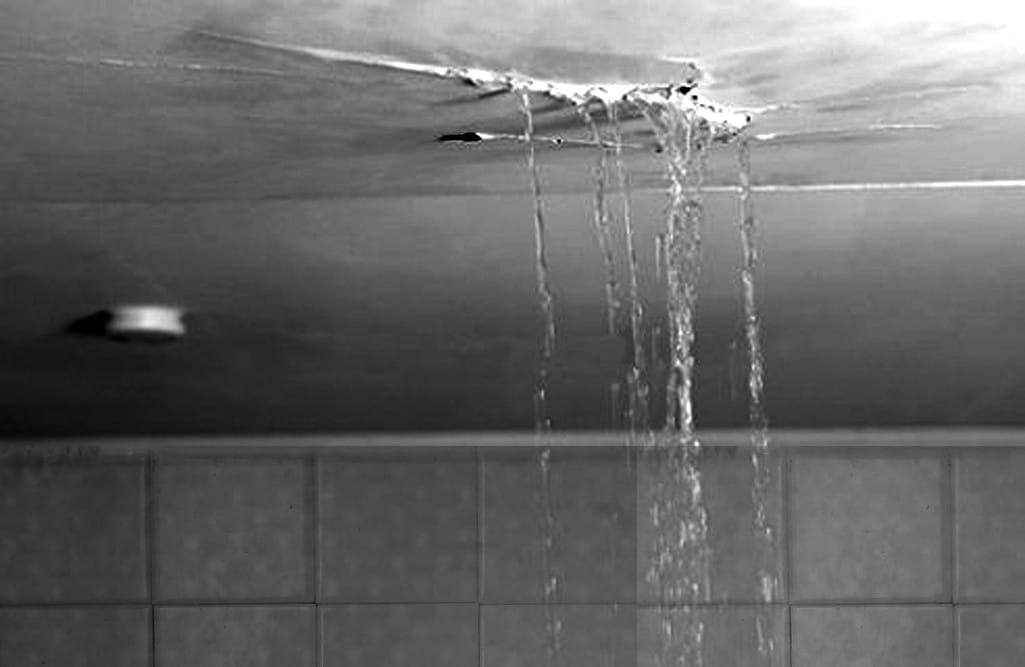
Water leakages in bathrooms are among the most common and costly problems in buildings. Especially water seepage to the lower floor can cause serious issues not only aesthetically but also in terms of structural safety and living comfort. Yellowing on ceilings, bubbling on walls, unpleasant odors, and mold formation are often the first signs of unnoticed water leakages.
Water Leaking from Bathroom to Lower Floor! How to Prevent Water Leakage?
Water leaks in bathrooms are among the most common and costly problems in buildings. Especially water seepage to the lower floor can cause serious issues not only aesthetically but also in terms of structural safety and living comfort. Yellowing on ceilings, bubbling on walls, unpleasant odors, and mold formation are often the first signs of unnoticed water leaks.
Many users assume that ceramics and grout used in bathrooms are waterproof by themselves. However, ceramic coverings are not a waterproofing system. Ceramics and grout can allow water to pass through to some extent over time, and if a proper waterproofing system is not applied, water can penetrate the structure causing serious problems.
So why does water leak from the bathroom to the lower floor and what is the permanent solution to this problem?
1. Incomplete or Incorrect Waterproofing
The most common cause of water seepage to the lower floor is the absence or incorrect application of waterproofing. Especially in older buildings, it is quite common to apply ceramics directly onto the screed. In such cases, water leaking from joints or connection points can gradually penetrate the structure causing moisture and dampness problems on lower floors.
Shower areas, bathtub surroundings, under sinks, and floor-wall junctions are among the areas most exposed to water. Failure to apply a complete waterproofing system in these areas makes water leaks inevitable.
Recommended Solution
-
Professional waterproofing should be applied on all surfaces exposed to water.
-
Corner joints and plumbing penetrations should be reinforced with special detail solutions.
-
The waterproofing layer must be fully completed before ceramic installation.
2. Cracked and Broken Grout
Over time, temperature changes, heavy use, and structural movements can cause cracks in grout. These cracks, which may seem minor at first glance, can allow water to reach beneath the ceramics.
Especially in shower areas, daily exposure to water can seep through small cracks over time, reaching the screed and causing moisture buildup on lower floors.
Recommended Solution
-
Grout should be inspected regularly.
-
Cracked grout should be renewed with appropriate products.
-
High-performance grout with low water absorption should be preferred.
3. Plumbing-Related Water Leaks
Not every water leak in bathrooms originates from waterproofing issues. In some cases, leaks in clean water or wastewater plumbing can also cause water seepage to the lower floor.
Accurately identifying the source of the leak is crucial to avoid unnecessary renovation costs. Persistent moisture problems and leaks continuing even when not in use may indicate plumbing-related issues.
Recommended Solution
-
Professional leak detection should be performed.
-
Plumbing penetration points should be thoroughly inspected.
-
Necessary waterproofing applications should be reapplied after repairs.
4. Moisture and Water Accumulation Under Ceramics
Incorrectly applied ceramic adhesives and voids beneath ceramics can also cause water accumulation over time. Especially in large-format ceramic applications, voids behind the ceramics can lead to water pooling in certain areas, negatively affecting the adhesive's performance.
This situation can cause ceramics to bubble and detach from the surface over time, as well as lead to water leaks to the lower floor.
Recommended Solution
-
Ceramic adhesives with high adhesion strength should be used.
-
Double-sided bonding method should be applied for large-format ceramics.
-
Surface flatness must be checked before application.
5. Problems with Silicone and Joint Areas
Silicones used at sink edges, shower cabins, and bathtub joints losing their properties over time are also significant causes of water leaks. Silicones that lose elasticity or detach from the surface can allow water to penetrate the structure.
Recommended Solution
-
Silicone applications should be regularly inspected.
-
Elastic filler materials should be preferred for movable joints.
-
Detached silicones should be renewed without delay.
How to Prevent Water Leakage in Bathrooms?
To prevent water leaks, all stages of the application must be considered as a system. When solid and properly prepared surfaces, professional waterproofing systems, high-performance ceramic adhesives, and quality grout products are used together, the risk of water leakage can be significantly reduced.
For a successful bathroom application;
-
Professional waterproofing should be applied.
-
Ceramic adhesives suitable for the application area should be selected.
-
Grouts with low water absorption should be used.
-
Corner and joint details should be properly designed.
-
Plumbing penetrations should be supported with waterproofing systems.
-
Regular maintenance and inspections should not be neglected.
Conclusion
Water leakage from the bathroom to the lower floor is a significant problem that can lead to costly renovations over time. However, with the right product selection and professional application methods, these problems can largely be prevented.
Waterproofing, ceramic adhesives, grout systems, and complementary application products developed by VOX Construction Chemicals provide long-lasting, reliable, and durable solutions for your bathrooms. Thanks to professional applications supported by quality construction chemicals, you can protect your living spaces against the adverse effects of water for many years.